One of the biggest advantages of investing in Dominican Republic real estate is the range of government-backed tax incentives available to foreign buyers.
CONFOTUR (Tourism Development Incentive Law)
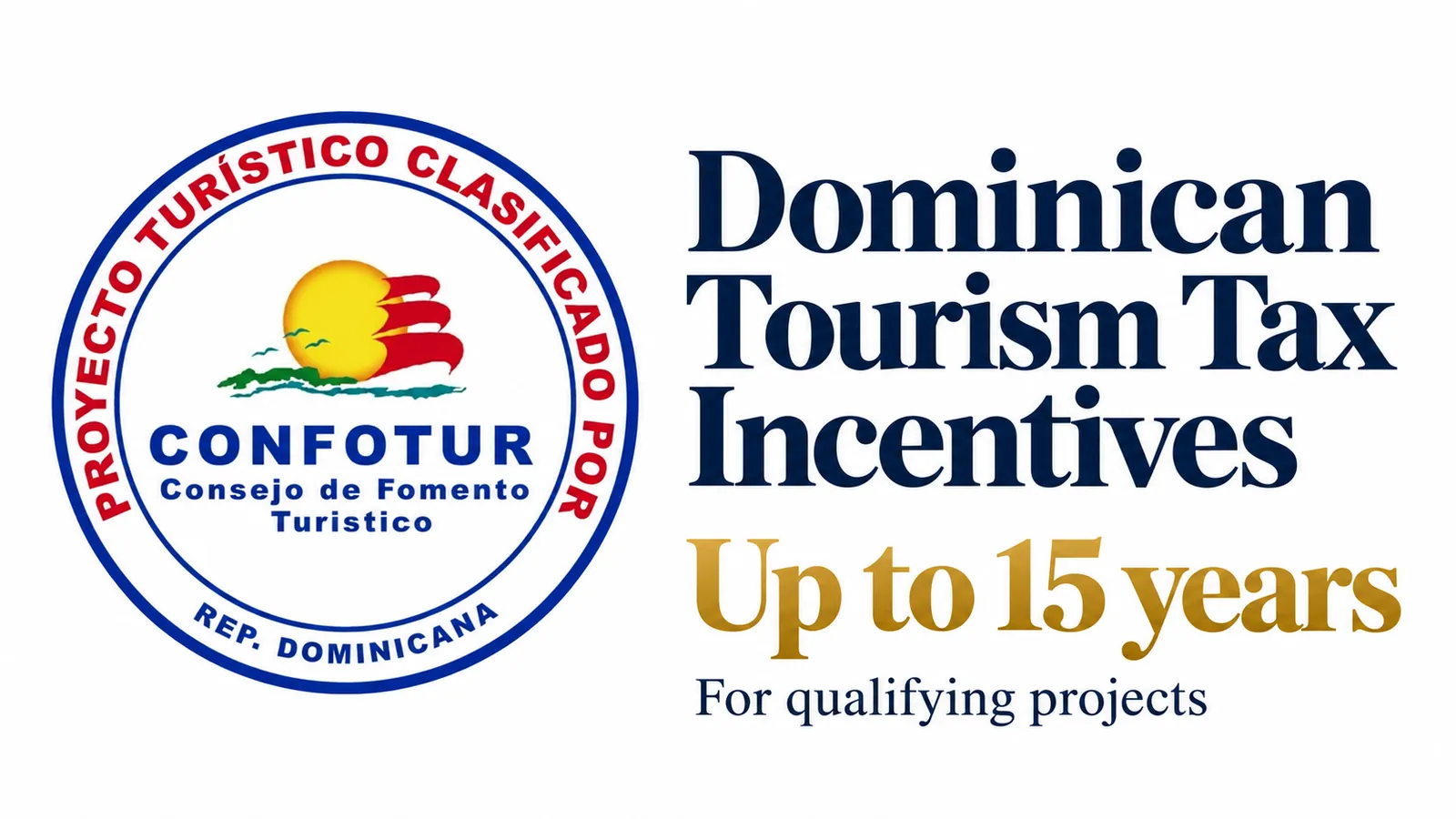
A key program investors can benefit from is CONFOTUR (Consejo de Fomento Turístico), designed to promote tourism-focused developments in strategic regions across the country.
This incentive applies to many residential and resort-style projects, including condos, hotels, and vacation rental properties. Once a project is approved under CONFOTUR, buyers can enjoy substantial tax exemptions for up to 15 years, such as:
-No property transfer tax (typically 3%)
-No annual property tax (typically 1%)
-Protection from future tax increases on the property
-Tax deductions related to the investment
-Potential savings of up to 20% on rental income taxes
Developers also benefit from reduced import costs on materials and equipment, which can help keep purchase prices more competitive for buyers.
Another key advantage is the added level of security. CONFOTUR-approved projects have been reviewed by the government, indicating that the development aligns with national tourism and economic priorities. Buyers should still verify certification through a qualified real estate lawyer.
Additional Incentives for Foreign Investors
Foreign investors may also qualify for additional benefits under Law 171-07 when investing $200,000 USD or more. These include:
-Fast-track permanent residency
-Exemption on import duties for household goods
-No taxes on qualifying foreign income such as dividends, interest, and pensions
-Reduced taxes on importing one vehicle
-50% reduction on mortgage-related taxes when using approved lenders
-50% reduction on annual property taxes, with full exemption after age 65
-50% reduction on capital gains taxes
When structured properly, these incentives can significantly improve overall investment returns.
Contracts and Legal Framework
Understanding the legal structure of a real estate transaction in the Dominican Republic is essential, especially when purchasing pre-construction property.
Promise of Sale (Promesa de Venta)
The Promise of Sale is the primary agreement that outlines the full scope of the transaction, including pricing, payment schedule, and delivery timelines. It must be signed by both the buyer and seller in the presence of a notary public.
Unlike in North America, there is no cooling-off period. Once this agreement is signed, the buyer is fully committed to the purchase, making it critical to review all terms carefully before execution.
Deed of Sale (Contrato de Venta)
The Deed of Sale is the document that formally transfers ownership of the property from the seller to the buyer. It is also signed before a notary public.
This document is more straightforward and focuses on the transfer of title rather than detailed financial terms. After signing, it must be registered with the Title Registry Office to issue the official Certificate of Title in the buyer’s name. It is also submitted to the tax authorities to confirm any applicable obligations.
Importance of Legal Due Diligence
Working with an experienced real estate lawyer is critical to ensuring a secure transaction. Proper due diligence should include:
-Title verification to confirm there are no liens or encumbrances and that a legal survey (deslinde) has been completed
-Review of the developer’s track record, licensing, and project permits
-Careful review of the purchase agreement to ensure the buyer is protected
-Clear understanding of payment structure, timelines, and where funds are being directed
-Review of condominium structure, including HOA fees, rules, and ownership responsibilities
With the right legal guidance and a clear understanding of the process, investing in pre-construction real estate in the Dominican Republic can be a highly attractive opportunity, offering both strong income potential and long-term appreciation.
Get Platinum VIP Access
Priority registration, pricing and floor plans before projects are available to the general public.