
- Canada
- United States
- San Diego
- MiamiComing soon
- ArizonaComing soon
- Las VegasComing soon
- International
- About
Ten reasons 2026 is a strategic window for pre-construction buyers in Toronto and the GTA.
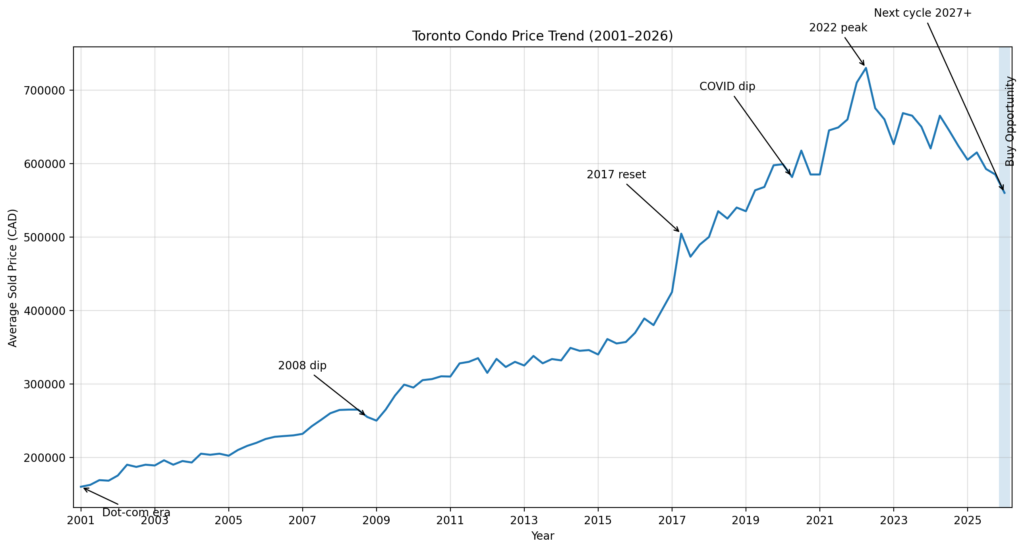
Real estate moves in cycles. The Toronto condo market has already recovered from its 2022 peak, creating a rare entry point. Historically, buyers who enter during downturns benefit the most as the market stabilizes and enters its next growth phase. With early signs pointing to the next cycle beginning around 2027+, 2026 represents a strategic window to buy before prices rebound.
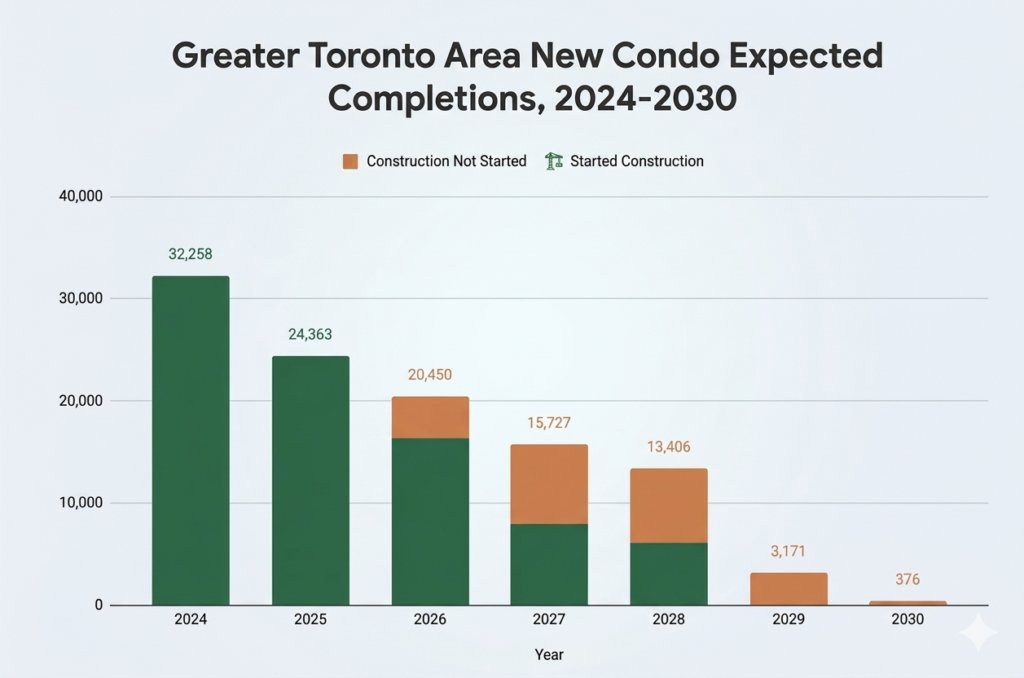
New condo completions are projected to decline sharply after 2026. Fewer project launches today mean significantly less inventory tomorrow. By 2027–2029, this supply shortage is expected to tighten the market, putting upward pressure on prices. At the same time, resale inventory is also shrinking, accelerating the shift from a high-supply to low-supply environment.
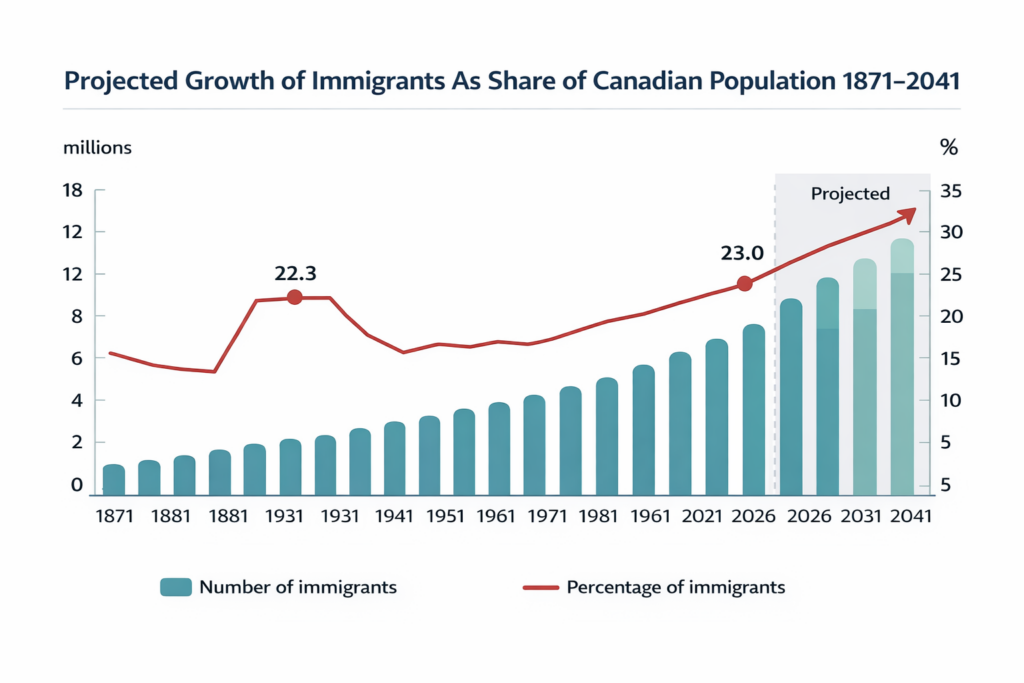
Canada continues to pursue aggressive immigration targets, with a large portion settling in the Greater Toronto Area. Toronto remains the economic and cultural hub of the country, attracting both international and domestic migration. This sustained population growth directly fuels long-term housing demand.
All key fundamentals are aligning:
This imbalance sets the stage for the next upward cycle in Toronto real estate.
Market fundamentals that support buying pre-construction now.
Toronto is not just the largest city in Canada, it is the country’s financial and economic core. It also continues to emerge as Canada’s leading tech hub, attracting global companies, talent, and investment. This combination of finance, tech, and population growth creates a strong foundation for long-term real estate appreciation.
Toronto has limited space for expansion due to geographic and regulatory constraints, including greenbelt protections. With land becoming increasingly scarce, future developments become more expensive and limited, reinforcing long-term upward pressure on property values.
Construction costs continue to increase due to labor shortages, material costs, and regulatory requirements. Projects launching in the future will need to be priced higher to remain viable, meaning today’s pre-construction pricing may look like a discount in hindsight.
The affordability gap between detached homes and condos continues to widen. As low-rise housing becomes increasingly out of reach, more buyers are turning to condos as the primary entry point into the market, increasing demand in the condo segment.
Interest rates are expected to decline, improving affordability and bringing more buyers back into the market. As borrowing becomes cheaper, demand typically rises, which historically leads to price increases.
The Ontario government has announced a major expansion of the HST rebate program as part of 2026 Budget. Ontario is proposed to remove the full 13% HST on eligible new homes valued up to $1 million, allowing buyers to save up to $130,000. The full rebate will also apply to homes valued up to $1.5 million, with a gradual reduction for properties priced up to $1.85 million.
2026 represents a rare convergence of corrected pricing, declining supply, and rising future demand. Buying pre-construction now positions you ahead of the next market cycle, where limited inventory and stronger demand are expected to drive prices higher.